Leaving Highgate
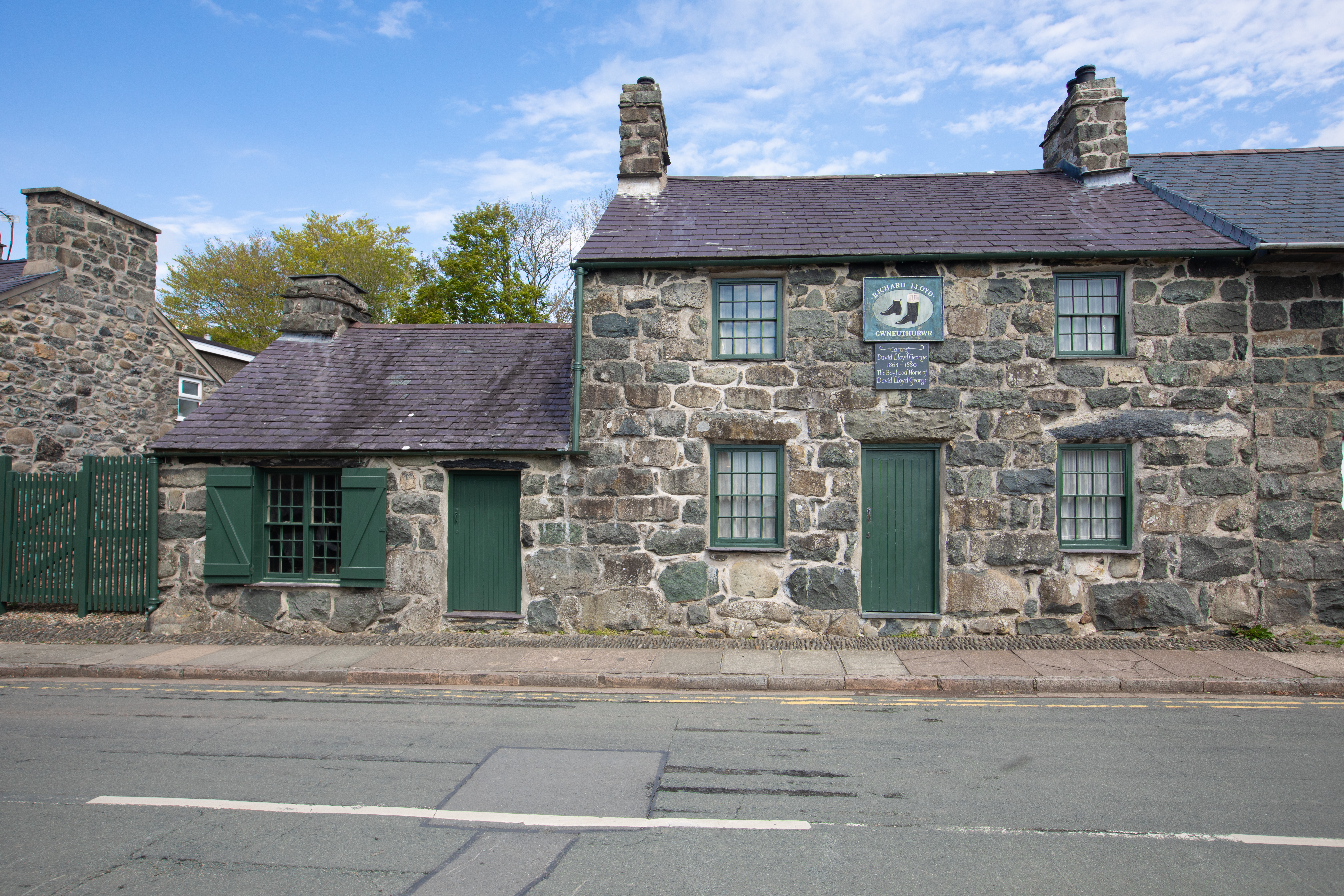
On10th May 1880, David Lloyd George and his family said farewell to their home at Highgate, leaving behind a place filled with childhood memories and deep family connections.
As they moved on to Morvin House, it wasn’t just furniture that was taken. Lloyd George was particularly proud of a royal fern growing in the garden at Highgate — and this too was uprooted and carefully replanted in the small garden at the back of Morvin House.
A small but powerful detail, reflecting an emotional attachment to home, family and nature at the threshold of a new chapter in the life of someone who would go on to shape the history of Wales and Britain.
Lloyd George and the Spanish Flu
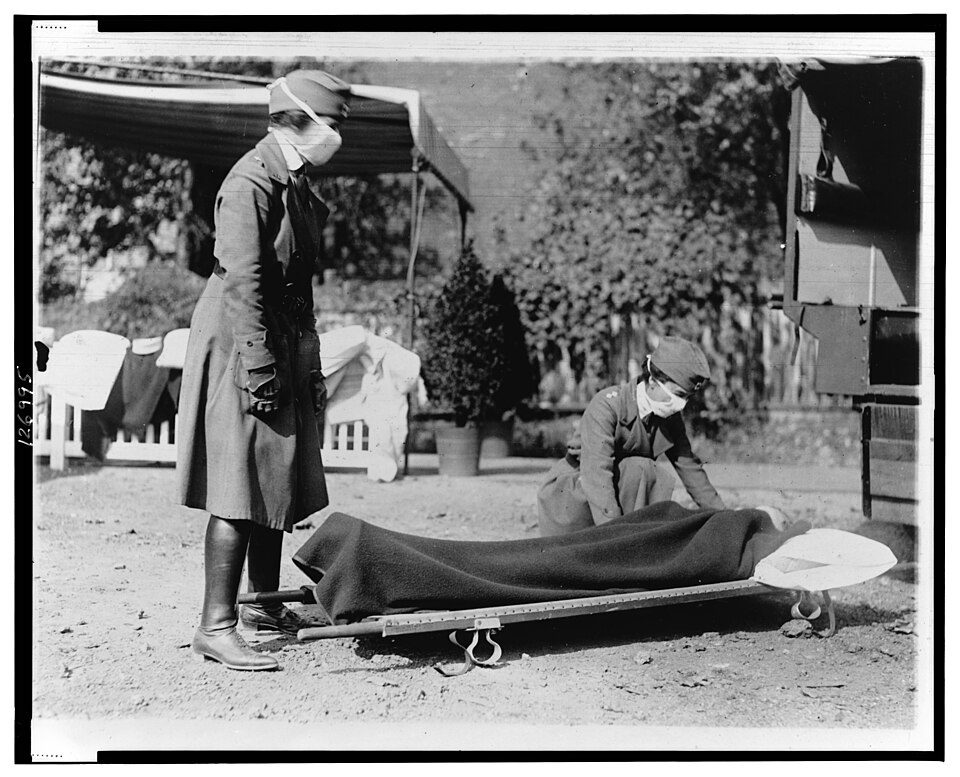
In 1918, the world was on its knees, after four years of war, the H1N1 flu strain appeared as a shadow over the world. It was known as the Spanish flu, Spain was able to report on the 1918 influenza pandemic because it was a neutral country during World War I, meaning its press was not restricted by wartime censorship. While belligerent nations suppressed news of the virus to maintain morale, Spanish newspapers freely reported on the outbreak, leading to the misconception that it started there. This was the most serious pandemic since the Black Death.
On 11 September 1918, David Lloyd George was on top of the world, bringing the largest and bloodiest war the world had ever seen to an end and travelled to the city where he was born, Manchester to be honoured with the Freedom of the City. Women from munitions factories and soldiers on 'furlong' leave filled the streets from Piccadilly station to Albert square in the city centre to welcome their hero.
However, later that evening, David Lloyd George developed a sore throat and high temperature. He spent the next ten days in a specialist bed in Manchester City Hall, too ill to move and with a machine to help with his breathing.
Newspapers at the time, which included the Manchester Guardian, and Welsh papers such as Yr Udgorn and Y Dydd sought to understate the seriousness of the situation in case Germany took advantage. Later, staff who were very close to him reported that it had been "touch and go".
At 55 years old, David Lloyd George survived the disease but thousands and thousands were not as lucky. In a world before antibiotic medication and the National Health Service, over 250,000 patients were lost to the disease in Britain.